
Post-Tummy Tuck Recovery: Activities to Avoid and Tips for Faster Healing
Recovery is an important part of any surgical procedure. After a tummy tuck, Adelaide patients often have questions about what to expect and how to support healing. Understanding activity restrictions and following post-operative advice can help reduce complications and support a smoother recovery process.
Understanding Tummy Tuck Recovery After Surgery
A tummy tuck, or abdominoplasty, involves the removal of excess skin and tightening of the abdominal wall. As a result, recovery requires time for the body to heal and adjust. Swelling, bruising, and a feeling of tightness are common in the early stages. Most patients will need to modify their daily activities for several weeks, with a gradual return to normal function guided by their surgeon. Recovery timelines vary depending on the extent of surgery and individual health factors.
Activities to Avoid After Tummy Tuck Surgery for Safe Healing
Avoiding certain activities after surgery is important to protect the surgical site and reduce the risk of complications.
- Heavy lifting: Lifting heavy objects can place strain on the abdominal muscles and increase the risk of wound complications or delayed healing.
- Strenuous exercise: High-impact or core-based activities can disrupt internal healing and should be avoided until cleared by your surgeon.
- Standing fully upright too early: Patients are often advised to walk slightly bent initially to reduce tension on the incision and support healing.
- Driving too soon: Driving may place pressure on the abdomen and is not recommended until mobility improves and pain is well controlled.
- Smoking: Smoking can significantly impair wound healing and increase the risk of complications.
- Ignoring post-operative instructions: Following your surgeon’s advice is essential for safe recovery and optimal healing.
What to Expect During Tummy Tuck Recovery
Recovery progresses in stages, and it is important to understand how healing typically unfolds.
- First 1–2 weeks: Swelling, bruising, and limited mobility are common. Patients focus on rest and light movement.
- Weeks 2–4: Gradual improvement in comfort and mobility. Light daily activities may resume.
- Weeks 4–6: Increased activity levels, depending on healing progress.
- Beyond 6 weeks: Many patients return to more regular activities, although full healing continues for several months.
Each recovery experience is different, and follow-up appointments allow your surgeon to monitor progress.
Tips for Faster Tummy Tuck Recovery
After a tummy tuck, Adelaide patients are often looking for ways to support recovery. While healing cannot be rushed, certain steps may help optimise outcomes.
- Follow post-operative instructions closely: Your surgeon’s guidance is tailored to your procedure and supports safe healing.
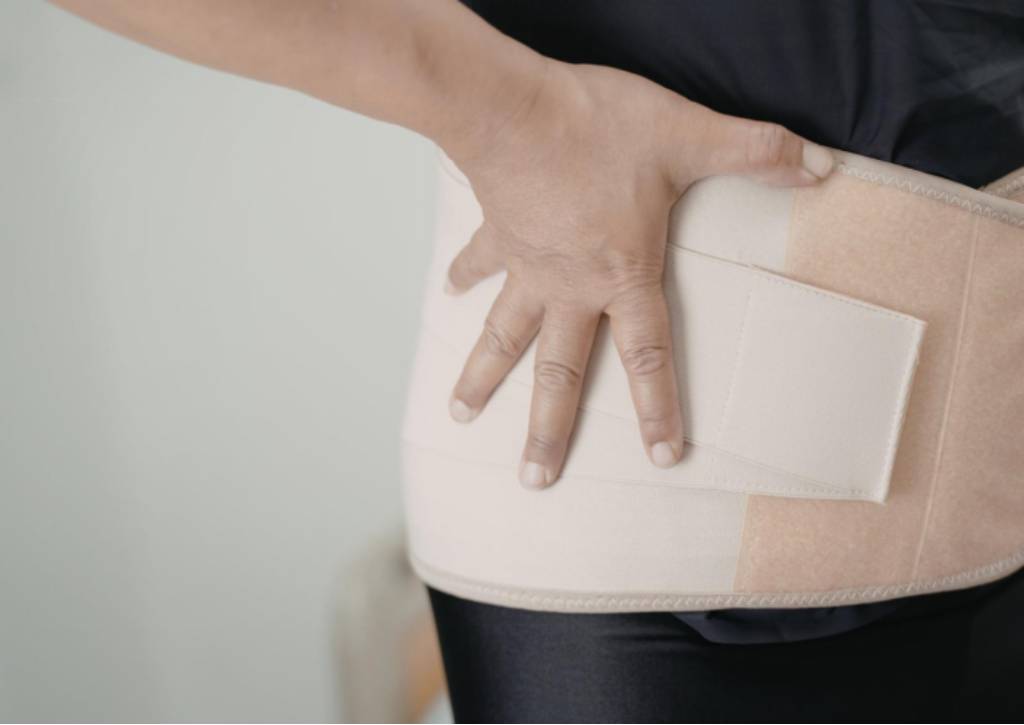
- Wear compression garments as advised: These garments help reduce swelling and support the abdominal area after stomach skin removal.
- Maintain gentle movement: Light walking can support circulation and reduce the risk of complications.
- Prioritise nutrition and hydration: A balanced diet supports tissue repair and overall recovery.
- Avoid unnecessary strain: Protecting the abdominal area is essential, particularly in the early weeks.
- Attend all follow-up appointments: Regular review ensures healing is progressing as expected.
Benefits of Proper Post-Surgery Care
Following appropriate aftercare can support both recovery and longer-term outcomes.
- Reduced risk of complications
- Improved wound healing
- Better scar outcomes over time
- Gradual return to normal activity
- Support for long-term surgical results
When Can You Resume Normal Activities After Surgery?
Returning to normal activities should be gradual and guided by your surgeon.
- Light activities: Often within 1–2 weeks
- Driving: When mobility and comfort allow, typically after a few weeks
- Exercise: Usually reintroduced after 4–6 weeks, depending on progress
- Heavy lifting: Avoided for at least 6 weeks or until advised
Timelines vary between individuals, and it is important not to rush recovery.
How Professional Support Can Improve Recovery Outcomes
Post-operative care provided by your surgical team plays an important role in recovery. Clear instructions, ongoing monitoring, and access to clinical support help identify any concerns early and guide safe progression through each stage of healing. At Plastic Surgery Central, follow-up care is structured to support recovery and provide reassurance throughout the process.
Frequently Asked Questions
How long does tummy tuck recovery take?
Initial recovery typically takes several weeks, while full healing may take several months. This varies depending on the individual and the extent of surgery.
When can I stand straight after a tummy tuck?
Most patients gradually return to an upright posture over the first one to two weeks as swelling reduces and comfort improves.
Can I climb stairs after surgery?
Stairs can usually be used carefully in the early stages, although movement should be slow and supported where needed.
How long should I wear compression garments?
Compression garments are typically worn for several weeks, as advised by your surgeon, to support healing and reduce swelling.
Is physiotherapy necessary after abdominoplasty?
Physiotherapy is not always required but may be recommended in some cases to support mobility and recovery, depending on individual needs.
Our Surgeons




Recent Post
Thigh Lift Surgery After Weight Loss: What You Need to Know
Saline vs Silicone Breast Implants: Understanding the Differences

Dupuytren’s Contracture: Symptoms, Progression and Treatment Options
Breast Reduction vs Breast Lift: What’s the Real Difference?

Understanding Breast Lift Techniques: What Are the Different Options?
Categories
- Blog (31)
- Body Contouring (2)
- Breast Surgery (8)
- Facial Surgery (7)
- Hand Surgery (4)
- Plastic & Cosmetic Surgery (General) (6)
- Skin & Cancer Surgery (3)