
Signs Your Hand Condition May Need Surgical Treatment
Persistent discomfort or reduced mobility in your fingers, wrist, or palm can disrupt daily activities. Seeking structured hand conditions treatment can guide you toward proper management. When structural changes occur, exploring options for hand surgery in Adelaide provides an educational path toward addressing these physical concerns.
Common Hand Conditions That Require Surgery
Several common conditions involving tissue changes or nerve compression may lead to surgical consideration:
Carpal Tunnel Syndrome
Carpal Tunnel Syndrome develops due to pressure on the median nerve as it passes through the wrist tunnel. It can result in sensory changes and altered hand coordination if left unmanaged.
- Numbness or tingling in the thumb and fingers
- Waking up with hand discomfort or a need to shake out the hands
- Decreased grip strength or tendency to drop objects
Trigger Finger
Trigger finger occurs when inflammation narrows the space within the sheath surrounding the flexor tendon. This restriction hinders the smooth movement of the affected digit.
- A painful clicking or snapping sensation when bending a finger
- A finger becoming locked in a bent posture
- Tenderness or a small nodule forming at the base of the digit
Dupuytren's Contracture
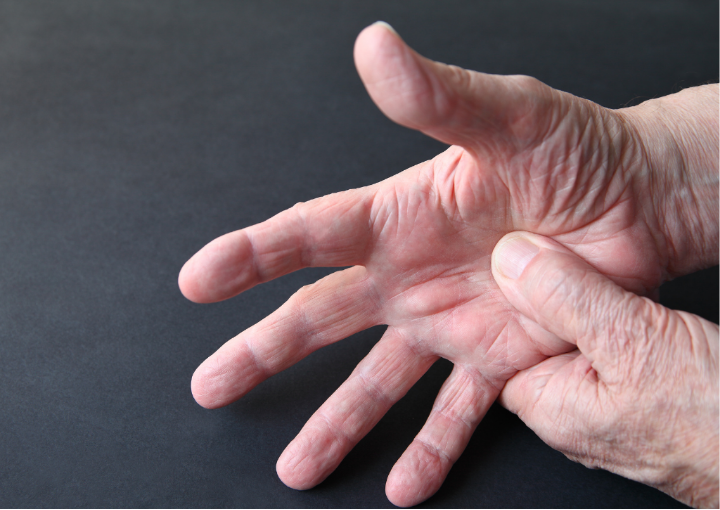
This progressive condition involves the gradual thickening of the connective tissue beneath the skin of the palm. Over time, the tissue forms tight cords that pull the fingers inward.
- Early Stage: Small, firm nodules or pits appear on the palm surface.
- Progression Stage: Cords develop along the palm, making it difficult to flatten the hand.
- Advanced Stage: One or more fingers are drawn permanently toward the palm, restricting hand function.
De Quervain's Tenosynovitis
This involves inflammation of the tendons around the base of the thumb, causing localised discomfort.
- Tenderness and swelling along the thumb side of the wrist
- Difficulty making a fist or grasping objects
Hand Fractures & Injuries
Sudden trauma can result in bone breaks, ligament tears, or lacerated tendons that compromise hand structure.
- Displaced bone fractures requiring alignment
- Severed tendons or nerves that alter movement or sensation
Warning Signs You Need Surgical Evaluation
Recognising the progression of physical changes can help determine when to seek a clinical assessment:
- Persistent Numbness: Constant sensory loss or tingling that does not respond to rest.
- Visible Deformity: Structural changes, such as a finger bent permanently inward or an abnormal bone contour.
- Functional Limitations: An inability to perform simple tasks like buttoning a shirt or holding a cup.
When Conservative Treatments Are Not Enough
Non-surgical approaches are typically the first line of management. However, when structural changes within the tissue become pronounced, surgery may be considered:
| Approach | Conservative Options (Splints, Injections) | Hand Surgery (Surgical) |
|---|---|---|
| Primary Focus | Managing inflammation and restricting movement to rest the tissue. | Modifying the physical structures to address the underlying cause. |
| Limitation | May not resolve advanced tissue thickening or severe nerve compression. | Designed for cases where physical tissue changes require direct intervention. |
Types of Hand Surgeries Offered at Plastic Surgery Central
At our practice, procedures are performed to manage structural issues and support hand function:
Nerve Decompression
Procedures such as carpal tunnel release focus on reducing pressure on compressed nerves to manage tingling and sensory loss.
Fasciectomy
For Dupuytren’s contracture, this involves the careful removal of thickened cords to allow the fingers to straighten.
Tendon and Fracture Management
Surgeries to realign fractured bones or repair torn tendons help support the hand’s natural structural framework.
What to Expect During Hand Surgery Consultation
A thorough clinical assessment is necessary to map out your care:
- Medical History Review: The surgeon evaluates your physical symptoms, health background and past treatments.
- Physical Assessment: An examination of hand strength, range of motion and nerve sensation is conducted.
- Treatment Discussion: If surgery is indicated, a tailored plan is outlined, detailing the technique and hospital setting.
Why Choose Plastic Surgery Central for Hand Surgery in Adelaide?
Our practice is dedicated to safety, patient education and clear clinical management:
- Experienced Surgical Care: Consultations and procedures focus on the plastic and reconstructive training of our surgeons.
- Personalised Planning: Every surgical strategy is tailored to the specific anatomical requirements of the patient.
- Accredited Day Hospital: Procedures under local anaesthetic take place at Central Day Surgery, offering ground-floor access and parking.
Arrange your Consultation
Deciding to proceed with an operative intervention is a significant step. If you are experiencing persistent discomfort or reduced function, a dedicated surgical evaluation can outline the available options tailored to your situation.
To discuss your physical symptoms and explore appropriate paths, please contact us to arrange a consultation.
Frequently Asked Questions
Will hand surgery affect my ability to work or perform activities?
Temporary adjustments are required during the initial healing period post-surgery.
What is the typical recovery time for hand surgery?
Healing times vary, often taking a few weeks to months.
Are the results of hand surgery permanent?
Many procedures provide long-lasting structural changes as your body ages.
How much does hand surgery cost?
Costs depend on your procedure; we provide itemised fee estimates.
Can both hands be operated on at the same time?
Performing surgery on both hands depends on your specific requirements.
What are the risks and complications of hand surgery?
Potential risks include swelling, temporary stiffness, infection and localised discomfort.
Our Surgeons




Recent Post

Thigh Lift Surgery After Weight Loss: What You Need to Know

Saline vs Silicone Breast Implants: Understanding the Differences

Dupuytren’s Contracture: Symptoms, Progression and Treatment Options

Breast Reduction vs Breast Lift: What’s the Real Difference?

Understanding Breast Lift Techniques: What Are the Different Options?
Categories
- Blog (31)
- Body Contouring (2)
- Breast Surgery (8)
- Facial Surgery (7)
- Hand Surgery (4)
- Plastic & Cosmetic Surgery (General) (6)
- Skin & Cancer Surgery (3)