
Hooded Eyelids Making You Look Tired? What Blepharoplasty Addresses
If you notice your upper eyelids drooping or feeling heavy, you are not alone. Hooded eyelids can often create a tired appearance even when you are fully rested. Eyelid surgery, or blepharoplasty in Adelaide, offers an educational, structural approach to managing these aesthetic and reconstructive concerns by addressing excess, sagging skin.
What Are Hooded Eyelids?
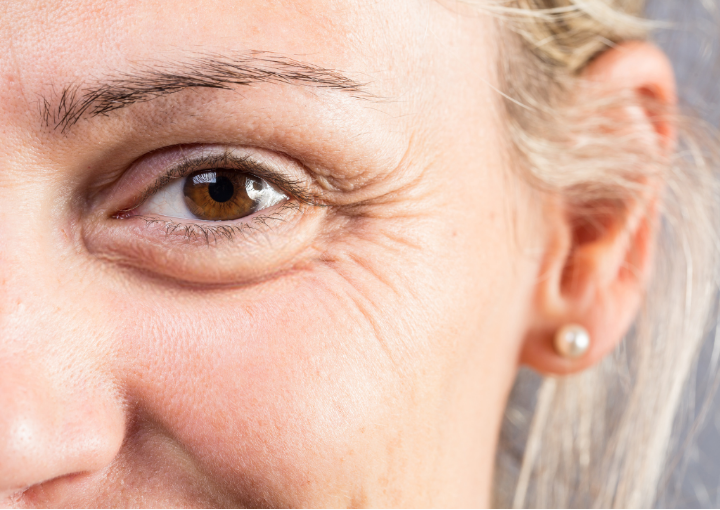
Hooded eyelids occur when an extra fold of skin drops down from the brow line over the natural crease of the eye. Visually, this can make the upper eyelid appear smaller or disappear entirely when your eyes are open, casting a shadow or altering the eye contour.
What Causes Hooded Eyelids?
Hooded eyelids can develop due to a combination of natural anatomical and environmental influences:
- Aging and loss of skin elasticity: The body naturally experiences a reduction in tissue elasticity over time.
- Genetics and inherited characteristics: The fundamental structure of your face is hereditary.
- Prolonged sun exposure and skin damage: Ultraviolet rays accelerate the breakdown of structural proteins in the skin.
- Weakened eyelid muscles: The underlying muscles supporting the eyelids can relax or weaken.
- Allergies and chronic eye conditions: Regular rubbing or inflammation can stress the thin skin of the eye area.
What is Blepharoplasty?
Blepharoplasty is a surgical procedure designed to modify the appearance of the eyelids. The procedure involves the precise removal or repositioning of excess skin, fat, and occasionally muscle tissue.
What Blepharoplasty Addresses
This procedure addresses specific physical and structural concerns across different areas of the eyes:
Upper Eyelid Blepharoplasty
This targets the heavy skin fold above the eye, where the surgeon removes excess skin and sagging tissue.
Lower Eyelid Blepharoplasty
This targets the area beneath the eyes to reduce puffiness, bags, and sagging skin by modifying displaced fat deposits and trimming redundant skin.
Double Blepharoplasty
This combines both upper and lower eyelid surgeries into a single operative session for a comprehensive approach.
The Blepharoplasty Procedure: Step by Step
Understanding the typical steps of a surgical journey can help demystify the experience:
- Anaesthesia: The surgery can be performed under local anaesthetic or sedation, depending on the patient’s requirements.
- Incision placement: Incisions are placed in discreet locations—such as the natural upper eyelid crease or just beneath the lower lash line.
- Tissue adjustment: Excess skin is trimmed, and underlying fat pads are either repositioned or removed.
- Closure: The incisions are carefully closed using fine sutures.
Results & Timeline: What to Expect
Every surgical journey requires time for the body to heal and adjust:
Immediate Results
Directly following the procedure, structural changes are present but obscured by immediate post-operative swelling and bruising.
Short-Term Recovery
During the first 1 to 2 weeks, swelling and bruising gradually subside. Most patients find that they can return to non-strenuous daily activities within this timeframe.
Final Results
The remaining subtle swelling continues to dissipate, with final results typically becoming fully visible between 3 and 6 months post-procedure.
Who is a Good Candidate for Blepharoplasty?
Determining suitability requires an individual clinical assessment. Generally, a suitable candidate includes adults who:
- Have realistic outcomes in mind regarding what surgical adjustments can achieve.
- Are in good general health to support proper wound healing.
- Experience noticeable sagging, heaviness, or puffiness around the eyes.
Blepharoplasty vs. Non-Surgical Alternatives
While non-surgical treatments exist, they differ fundamentally from surgery in their approach and longevity:
| Feature | Blepharoplasty (Surgical) | Non-Surgical Treatments |
|---|---|---|
| Primary Method | Physical removal of excess skin and fat tissue. | Temporary volume or skin tightening. |
| Suitability | Designed for mild to severe skin laxity and structural bags. | Best suited for mild, early-stage skin laxity. |
| Longevity | Provides long-lasting, structural changes. | Temporary; requires ongoing maintenance sessions. |
Risks and Complications
As with any surgical procedure, blepharoplasty carries potential risks that patients must consider:
- Temporary dry eyes or irritation
- Mild asymmetry in healing
- Temporary blurred vision
- Swelling, bruising, and localised discomfort
- Infection or delayed wound healing
Why Choose Plastic Surgery Central for Blepharoplasty in Adelaide?
At Plastic Surgery Central, patient care is structured around safety, thorough education, and professional attention to detail.
- Experienced Surgical Approach: Consultations and procedures are focused on the expertise and experience of our surgeons.
- Patient-Centred Care: We focus on developing surgical plans tailored to each individual’s anatomical needs.
- Accredited Facilities: Procedures under local anaesthetic take place at Central Day Surgery, offering ground-floor access and parking.
Conclusion & Call to Action
Choosing to undergo surgery is an important personal decision. If you would like to discuss whether blepharoplasty is suitable for your concerns, the first step is a detailed, one-on-one discussion.
Frequently Asked Questions
Will blepharoplasty make me look unnatural?
Surgery aims for natural, refreshed results matching your face.
How long do blepharoplasty results last?
The structural changes to your eyelids are long-lasting.
Can I combine blepharoplasty with other cosmetic procedures?
Combining this surgery with other facial procedures is common.
Will my scars be visible after blepharoplasty?
Incisions sit within natural creases to minimise visibility.
What is the cost of blepharoplasty?
Costs vary; we provide breakdowns and check Medicare eligibility.
Can blepharoplasty affect my vision?
Temporary blurring is normal, but internal vision remains unaffected.
Our Surgeons




Recent Post

Thigh Lift Surgery After Weight Loss: What You Need to Know
Saline vs Silicone Breast Implants: Understanding the Differences

Dupuytren’s Contracture: Symptoms, Progression and Treatment Options

Breast Reduction vs Breast Lift: What’s the Real Difference?

Understanding Breast Lift Techniques: What Are the Different Options?
Categories
- Blog (31)
- Body Contouring (2)
- Breast Surgery (8)
- Facial Surgery (7)
- Hand Surgery (4)
- Plastic & Cosmetic Surgery (General) (6)
- Skin & Cancer Surgery (3)