
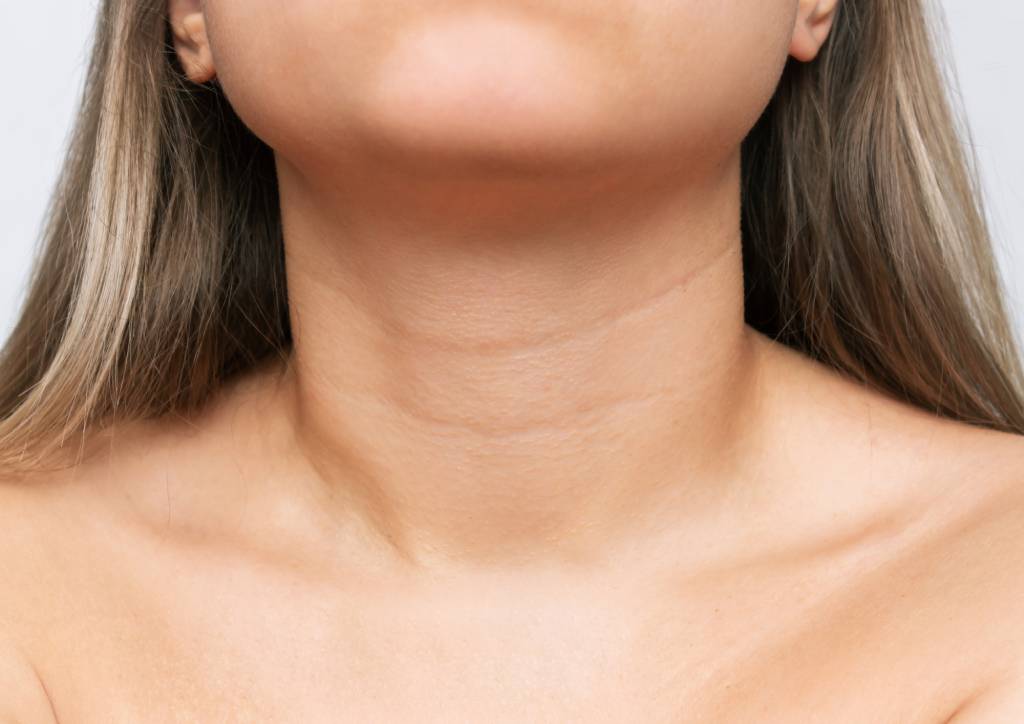
Neck Tightening Surgery: What to Know Before You Book a Consultation
If you’ve noticed sagging skin, vertical muscle bands, or a less defined jawline when you look in the mirror, you’re not alone, the neck is often the first area of the face to show visible signs of ageing. Neck tightening surgery, also known as a neck lift or platysmaplasty, is a surgical option for restoring a firmer, more defined neckline. This guide covers why the neck ages the way it does, what the procedure involves, who it suits, and what recovery looks like, so you can have an informed conversation at your consultation.
Why Does the Skin on Our Neck Age?
The skin around the neck is thinner and more delicate than other areas, making it more prone to ageing. Over time, collagen and elastin production slow, and the muscles that support the area can weaken. Lifestyle factors like sun exposure, weight changes or smoking can also contribute to visible ageing in the neck.
What is Neck Tightening Surgery?
A neck lift, or platysmaplasty, is a surgical procedure designed to improve the appearance of the neck by tightening underlying muscles and removing excess skin. It’s often chosen by people with moderate to severe sagging or those looking to restore a more defined jaw and neckline.
In some cases, a neck lift may be combined with other facial procedures, such as a facelift, depending on your goals. The results are tailored to suit your features, without dramatically changing your overall appearance.
Can Neck Tightening Surgery Be Done Without a Facelift?
It’s a common assumption that a neck lift is only ever performed alongside a facelift, but that’s not the case. Many patients who are mostly bothered by loose skin, banding or fullness under the chin, are good candidates for a standalone neck lift. Combining it with a facelift makes sense when ageing changes affect the whole lower face and neck together, but if your main concern is the neck itself, addressing it on its own can achieve a natural result without more extensive surgery than you need. Dr Jack Harbison and Dr Edward Gibson will assess whether your neck can be treated on its own or would benefit from a combined approach during your consultation.
Who Might Consider Neck Tightening Surgery?
Neck tightening surgery is typically suitable for people in their 40s or older who have noticed a loss of definition in the neck or jawline. It may also be appropriate for people who have experienced significant weight loss and are left with excess, sagging skin.
This procedure is not a one-size-fits-all solution. During a consultation, your surgeon will talk you through what’s involved and whether the procedure aligns with your concerns and expectations.
Neck Lift Recovery Timeline: What to Expect
Recovery varies from person to person, but most patients take around two weeks off before returning to regular activities. In the first few days, swelling, bruising and a feeling of tightness around the jaw and neck are normal, and you’ll be given post-operative instructions to support healing. By around two to three weeks, swelling has generally subsided enough to feel comfortable in social settings, though some patients need a little longer. Light activity can usually resume from around week two, with more strenuous exercise reintroduced gradually from four to six weeks, once your surgeon confirms you’re ready. Results become clearer as swelling settles, and while ageing continues naturally, the outcome of a neck lift can last many years with good skincare and overall health.
Results tend to become more noticeable as swelling subsides. While the effects of ageing continue over time, the outcome of a neck lift can last for many years with good skin care and overall health.
Surgical vs Non-Surgical Neck Tightening: Why Results Last Longer
Non-surgical treatments like radiofrequency skin tightening, threads or injectables are sometimes marketed as neck lift alternatives, and they can offer subtle, temporary improvement for very early skin laxity. But they can’t reposition the underlying platysma muscle or remove excess skin, which is why the results are limited and tend to fade within months. Neck tightening surgery works at both the muscle and skin layer, which is why it remains the most effective option for visible bands, sagging or a poorly defined jawline, and why the results last for years rather than months. If you’d like a clearer picture of what’s involved and what it typically costs, our neck lift surgery page has more detail, or you can book a consultation with Dr Harbison or Dr Gibson to discuss your options directly.
Booking a Neck Tightening Surgery Consultation in Adelaide
If you’re looking into neck tightening surgery, booking a consultation is a good first step. At Plastic Surgery Central, our team offers straightforward advice and clear explanations. Dr Jack Harbison and Dr Edward Gibson both perform neck lift surgery and can guide you through the options, based on your individual needs.
Frequently Asked Questions
What is the most effective treatment for neck tightening?
A surgical neck lift is generally the most effective option. It addresses both loose skin and underlying muscle bands in one procedure, giving longer-lasting results.
How long do the results of a neck lift last?
Results typically last between 5 to 10 years, depending on your skin condition, lifestyle, and natural ageing.
Will a neck lift improve my jawline too?
Yes – many patients notice a more defined jawline after surgery, especially if sagging or loose skin was affecting the lower face.
What age do most people consider neck lift surgery?
It varies, but many people begin considering a neck lift in their 40s or 50s when skin changes become more noticeable.
Is there much scarring after a neck lift?
There may be small scars, but they’re usually well-hidden and fade over time. Your surgeon will talk you through what to expect.
Can I combine a neck lift with another procedure?
Yes – some people choose to combine it with a facelift for more comprehensive results. This can be discussed during your consultation.
What’s involved in recovery?
Most people take about 2–3 weeks off work. Swelling and bruising are expected in the early days, but we’ll guide you through every step of the process.
Is a non-surgical treatment ever enough instead of neck lift surgery?
For very early, mild skin laxity, non-surgical treatments like radiofrequency or thread treatments may offer some temporary tightening. But they can’t reposition the underlying muscle or remove excess skin, so results are limited and don’t last as long as surgery. For visible bands or sagging, neck tightening surgery remains the most effective, longer-lasting option. See our neck lift surgery page for cost and procedure details.
Do I need a facelift as well, or can a neck lift be done on its own?
No, a neck lift can absolutely be performed as a standalone procedure. It’s often combined with a facelift when ageing affects the whole lower face, but if your main concern is loose skin or banding in the neck itself, treating it on its own is a common and effective approach.
Our Surgeons


Recent Post

Thigh Lift Surgery After Weight Loss: What You Need to Know
Saline vs Silicone Breast Implants: Understanding the Differences

Dupuytren’s Contracture: Symptoms, Progression and Treatment Options

Breast Reduction vs Breast Lift: What’s the Real Difference?

Understanding Breast Lift Techniques: What Are the Different Options?
Categories
- Blog (31)
- Body Contouring (2)
- Breast Surgery (8)
- Facial Surgery (7)
- Hand Surgery (4)
- Plastic & Cosmetic Surgery (General) (6)
- Skin & Cancer Surgery (3)