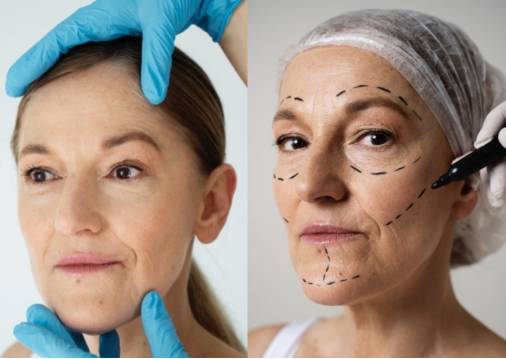
A facelift, also known as rhytidectomy, is a surgical procedure that addresses changes in the lower face and jawline associated with ageing. Depending on the surgical technique used, the procedure may involve repositioning deeper facial tissues and removing excess skin to address sagging and changes in facial contours.
A facelift primarily addresses changes to the deeper tissues and skin of the face. It does not directly treat concerns such as sun damage, fine lines or pigmentation. Where appropriate, these concerns may be discussed separately with your treating practitioner, as different treatments may be required.
Pre-operative tests:
The cost of facelift surgery in Adelaide varies depending on the procedure and surgical technique used, as well as surgeon, anaesthetic and hospital fees. As treatment planning is based on individual anatomy and clinical considerations, costs will vary between patients. Following your consultation, Plastic Surgery Central will provide an itemised quote outlining the costs associated with your proposed procedure.
Facelift surgery performed for cosmetic purposes is generally not eligible for a Medicare benefit. Any potential Medicare or private health insurance eligibility should be confirmed based on your individual circumstances.
A facelift and neck lift are often performed together to create a more youthful appearance for the face and neck.
How they work:
Facelift: Tightens facial muscles and removes excess skin to address sagging skin, wrinkles, and other concerns.
Neck lift: Tightens and smooths the skin on the neck to address sagging skin, wrinkles, and jowls.
Recovery after facelift surgery varies depending on the surgical technique used, the extent of the procedure and
individual healing. Swelling and bruising are expected during the initial recovery period and gradually settle over
the following weeks. The timeline below provides a general guide:
Recovery differs between patients, so these timeframes should be considered a general guide only. Your surgeon
will provide advice based on your procedure, health, occupation and individual progress during follow-up
appointments.
As with any surgical procedure, facelift surgery carries potential risks. These may include bruising, swelling, infection, scarring and temporary or permanent changes in skin sensation. Other potential complications include bleeding beneath the skin (haematoma) and changes to facial nerve function.
The likelihood and significance of these risks vary between patients and may be influenced by individual health factors and the procedure performed. Following your surgeon’s pre- and post-operative instructions is an important part of surgical care and recovery. Your surgeon will discuss the risks relevant to your circumstances as part of the consultation and informed consent process.
Facelift surgery is a complex surgical procedure, so it is important to understand the qualifications and experience of the surgeon you are considering. When researching a facelift surgeon in Adelaide, you may wish to ask about their qualifications, including whether they are a Fellow of the Royal Australasian College of Surgeons (FRACS), their experience performing facial surgery, and the facelift techniques they perform.
Your consultation is also an opportunity to ask questions about the recommended surgical approach, potential risks, expected recovery, scarring and the limitations of surgery. At Plastic Surgery Central, our surgeons will discuss these factors with you so you can make an informed decision about whether facelift surgery is appropriate for your circumstances.
The ideal age to get a facelift depends on your unique factors, such as your genetics, lifestyle, and how quickly your skin ages. However, the ideal age is generally in your 50s- 60s.
The cost of a facelift varies depending on the type of procedure, your surgeon’s fee, anaesthetic costs, plus hospital stay and operating theatre costs. After your first appointment, you will receive a detailed quote. Please note that this procedure is cosmetic and not claimable from your private health fund or Medicare.
A typical recovery time for a facelift is around 2 to 4 weeks, with most people able to return to work within this timeframe, although it can take up to 6 months to see the full results of the procedure; during this period, you will experience bruising and swelling which usually peaks within the first few days and gradually fades over time.
A facelift primarily addresses changes in the lower face, including sagging around the cheeks, jawline and jowls, while a neck lift focuses on loose skin and underlying tissues of the neck. The procedures may be performed separately or together depending on the areas being treated, individual anatomy and the surgeon’s assessment.
Both techniques address tissues beneath the skin rather than relying on skin tightening alone. A SMAS facelift involves repositioning and tightening the superficial musculoaponeurotic system (SMAS), while a deep plane facelift involves dissection beneath the SMAS and release of deeper retaining ligaments to allow facial tissues to be repositioned. The appropriate technique depends on individual anatomy, the changes being addressed and the surgeon’s clinical assessment.
Please be aware that all surgical procedures require a consultation with our plastic surgeons to allow a thorough assessment and discussion of your specific needs.