
Understanding Scarring After Plastic Surgery: What to Expect and How It’s Managed
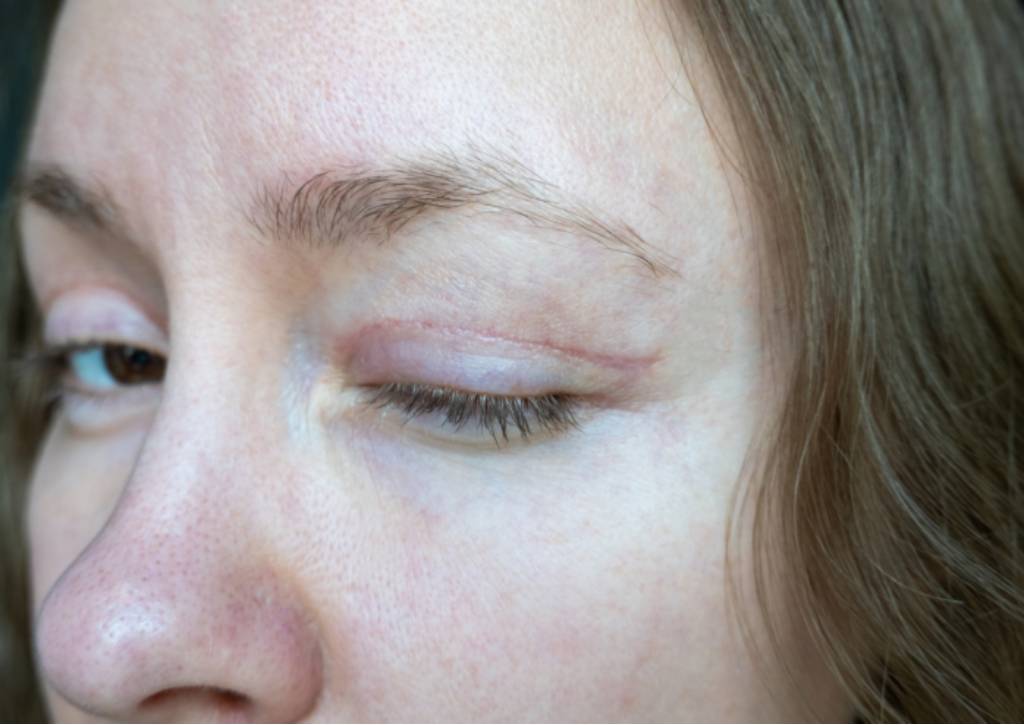
Scarring is a normal and unavoidable part of any surgical procedure. While plastic surgery aims to restore function and improve appearance, all surgery involves incisions, and the body’s natural healing process results in some degree of scarring. Understanding why scars form, how they change over time, and how they are managed can help patients feel more informed and prepared before surgery.
Why Scarring Occurs After Surgery
Scars form as part of the body’s natural wound-healing response. When the skin is cut or injured, the body produces collagen fibres to repair the area and restore strength to the tissue. This repair process creates a scar. The size, appearance, and final outcome of a scar can vary from person to person and depends on a range of factors.
Plastic surgery does not eliminate scarring, but careful surgical planning and technique can help place scars in less noticeable areas and support healing.
Factors That Influence How a Scar Heals
Scar formation and appearance are influenced by several individual and surgical factors, including:
- Location of the incision, as some areas of the body heal more favourably than others
- Type and extent of surgery performed
- Skin type and genetic factors, including a tendency toward thicker or raised scars
- Tension on the wound during healing
- Overall health, including nutrition and circulation
- Smoking, which is known to impair wound healing
- Adherence to post-operative care instructions
Your surgeon will consider all of these factors when planning your procedure and discussing expected outcomes.
How Plastic Surgeons Plan to Minimise Scarring
Specialist plastic surgeons are trained to plan incisions carefully and close wounds in a way that supports healing and scar quality. This includes:
- Placing incisions along natural skin creases where possible
- Using layered closure techniques to reduce tension on the skin
- Preserving surrounding tissues to support blood supply
- Balancing functional requirements with aesthetic considerations
Scarring in Reconstructive and Skin Cancer Surgery
In reconstructive and skin cancer surgery, the primary goal is complete removal of disease or restoration of function. Once this is achieved, careful reconstruction is performed to support wound healing, preserve movement, and maintain natural contours. In many cases, reconstruction is carried out at the same time as tumour removal to reduce healing time and improve outcomes.
What Scars Typically Look Like Over Time
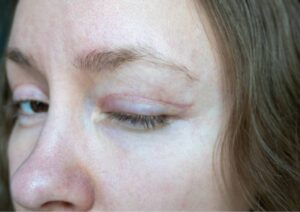
Scars change gradually as they heal and mature. In the early weeks, scars may appear red, raised, or firm. Over several months, they usually soften, flatten, and fade in colour. Full scar maturation can take up to 12–18 months.
It is important to understand that while scars often become less noticeable over time, they do not disappear completely.
Scar Management After Surgery
- Keeping the wound clean and protected
- Avoiding sun exposure and using sun protection
- Silicone gels or sheets, where appropriate
- Gentle scar massage once healing allows
- Attending follow-up appointments to monitor healing
When Scars May Need Further Treatment
In some cases, scars may become thickened, raised, or tight, or may affect movement, particularly across joints. When this occurs, additional treatments may be considered, such as scar therapy, injections, or surgical revision. Any further treatment is assessed on an individual basis and discussed carefully with your surgeon.
Setting Realistic Expectations
While plastic surgeons aim to minimise scarring and support good healing, it is important to have realistic expectations. Scar appearance varies between individuals, and outcomes cannot be guaranteed. Your surgeon will only recommend procedures when the expected benefits outweigh the risks and will discuss likely scar outcomes as part of the consent process.
Frequently Asked Questions
Will I always have a scar after surgery?
A plastic surgeon is a doctor with specialist training and FRACS accreditation in Plastic and Reconstructive Surgery.
How long does it take for scars to settle?
Most scars continue to mature over 12 to 18 months.
Can scars be completely removed?
Scars cannot be completely removed, but in some cases their appearance can be improved.
Does skin cancer surgery leave large scars?
The size of the scar depends on the size and location of the cancer. Reconstruction is planned to minimise impact while ensuring complete removal.
What can I do to support good scar healing?
Following your surgeon’s aftercare instructions, avoiding smoking, and protecting scars from sun exposure are all important.
Our Surgeons


Recent Post

Gynaecomastia Surgery: What Men Need to Know Before Treatment
How to Choose the Right Breast Implant Size and Shape for Your Body
Understanding Scarring After Plastic Surgery: What to Expect and How It’s Managed
Plastic Surgeon vs Cosmetic Surgeon: What is the Difference
Understanding Skin Cancer: Types, Causes & Treatments
Categories
- Blog (18)
- Body Contouring (1)
- Breast Surgery (3)
- Facial Surgery (3)
- Hand Surgery (2)
- Plastic & Cosmetic Surgery (General) (6)
- Skin & Cancer Surgery (2)