

Are Breast Implants Safe? Understanding the Risks and Benefits
If you’ve ever considered getting breast implants, chances are you’ve wondered: Are breast implants safe? This is an important consideration. Like any surgical procedure, breast augmentation comes with its share of benefits and risks. Understanding both sides can help you make an informed decision in consultation with your healthcare provider.
This article provides an overview. From the potential advantages to the things you need to watch out for, here’s what is important to understand about the safety of breast implants.
What Are Breast Implants?
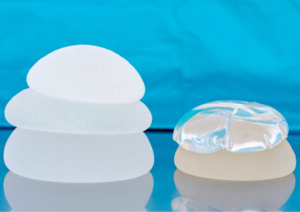
Breast implants are placed under the breast tissue or chest muscles to improve the shape, size, or fullness of the breasts. They usually have a silicone outer shell filled with either salt water (saline) or silicone gel.
Breast implants are used for both cosmetic and reconstructive purposes. That means they’re not only for aesthetic enhancement. They’re also often part of the journey for those recovering from mastectomy or trauma.
Key Benefits
Some individuals may seek breast implants for personal or reconstructive reasons. Outcomes vary from person to person, and results depend on individual expectations and medical factors.
Some of the most common benefits include
- Improved body symmetry: In cases where there is a noticeable difference in breast size.
- Restored breast volume: This may follow weight loss, pregnancy, or breastfeeding.
- Reconstruction after surgery: Like post-mastectomy or injury-related procedures.
- Personal satisfaction: Aesthetic improvements that some individuals may find personally meaningful.
Results may vary, and surgical outcomes depend on several factors, including the technique used, patient anatomy, and post-operative care.
Are Breast Implants Safe?
Breast implants are generally considered low-risk when the procedure is done by a qualified plastic surgeon in a regulated medical environment. That said, like any surgery, there are potential risks and complications. Being aware of these is key to making an informed decision.
Possible Risks You Should Know About
1. Capsular Contracture
One of the more common complications is capsular contracture, which occurs when scar tissue forms tightly around the implant, causing it to feel firm or look misshapen. While not dangerous, capsular contracture can be uncomfortable and may require revision surgery.
2. Implant Rupture or Leakage
Saline implants can deflate if they rupture, and the body will absorb the saline safely. Silicone gel implants may not show visible changes if they leak, which is why routine check-ups and imaging (like MRI or ultrasound) may be recommended.
3. Infection
As with any surgery, there’s a small risk of infection. This is usually managed with antibiotics, but in rare cases, the implant may need to be removed temporarily.
4. Changes in Sensation
Some women experience changes in nipple or breast sensitivity after surgery. This can be temporary or, in some cases, long-lasting.
What Can You Do to Stay Safe?
To reduce your risks, choose the right surgeon. Careful planning and selecting a qualified plastic surgeon with recognised credentials and years of experience are key to minimising risks.
During your consultation, don’t be afraid to ask questions like:
- What type of implants do you use and why?
- What happens if something goes wrong?
- What can I do to support a smooth recovery?
- How often will I need check-ups after surgery?
Healthcare professionals should provide information tailored to your needs and medical history. You should receive advice based on your individual situation through a transparent and informed consent process.
The Reality of Long-Term Maintenance
One of the most important things to understand is that breast implants aren’t designed to last forever. On average, implants may last 10–15 years, but this varies from person to person. Some women never need a revision, while others may choose to replace or remove their implants down the line.
Regular follow-ups are crucial, even if you’re feeling fine. Monitoring your implants over time ensures any issues can be picked up early and managed before they become major concerns.
Recovery Considerations
After the procedure, your body will need time to rest and heal. Swelling, tightness, and mild discomfort are normal. Patients are typically advised to wear a supportive garment, avoid strenuous activity, and attend follow-up appointments.
Recovery timelines can vary. Some people may resume light activities within days, while others may take several weeks to return to regular routines, depending on individual health and the specifics of the surgery.
Making an Informed Decision
The decision to proceed with breast implants should be made in consultation with a qualified medical professional. When performed by a qualified surgeon in an appropriate medical setting, breast implant procedures can offer outcomes aligned with your goals. However, potential benefits and risks must be carefully weighed.
At Plastic Surgery Central, patient care is at the heart of everything we do. From your first consultation to your final check-up, our aim is to support patients with evidence-based care and informed guidance at every step.
Types of Breast Implants (Saline vs. Silicone):
Breast implants are available in two main types: saline-filled and silicone gel-filled. Both have a silicone outer shell, but differ in how they feel and how they behave if a rupture occurs.
- Saline implants are filled with sterile salt water. If they rupture, the implant deflates, and the body absorbs the saline safely.
- Silicone gel implants contain a cohesive silicone gel designed to mimic natural breast tissue. If rupture occurs, changes may be less noticeable, and imaging may be recommended to assess the implant.
Your surgeon will discuss the advantages, limitations and suitability of each option based on your anatomy and goals.
Surgical Procedure for Breast Implants
Breast augmentation surgery is usually performed under general anaesthesia. The implant may be placed either beneath the breast tissue or beneath the chest muscle, depending on factors such as anatomy, implant type and your goals. Incisions may be made in the breast fold, around the areola or in the armpit. Your surgeon will explain the approach recommended for you and what to expect during the procedure, recovery and follow-up.
Choosing the Right Breast Implant for You
Selecting the right implant involves considering size, shape, projection, filling material and placement. Your surgeon will review your medical history, chest measurements, lifestyle factors and desired outcomes to help determine the most appropriate implant. A personalised approach supports both safety and long-term satisfaction.
Frequently Asked Questions
Saline implants are filled with sterile salt water and deflate if they rupture, while silicone implants contain a cohesive silicone gel designed to mimic natural breast tissue. Silicone implants generally feel more natural, but silent rupture is possible and may require imaging to detect.
The risks and complications of a body lift are not insignificant. General complications including bleeding (requiring a blood transfusion), infection (requiring hospital admission) and further surgery to address a complication can cause significant delays in your recovery and increased morbidity. At the time of your consultation your surgeon will discuss these complications with you.
Breast implants can make mammograms more technically challenging but do not prevent screening. Special imaging techniques are used to assess the breast tissue safely. Many women can breastfeed after implant surgery, but this may vary based on incision type, anatomy and previous breast conditions.
Breast Implant Illness is a term used by some patients to describe a range of symptoms they believe are associated with their implants, such as fatigue or joint pain. Research is ongoing, and there is no formal diagnostic test. Your surgeon will discuss current evidence and management options if symptoms occur.
Common risks include capsular contracture, infection, implant rupture, changes in sensation and the need for future revision surgery. Your surgeon will outline these risks during consultation and explain steps taken to support safe healing.
Implant selection is based on your goals, anatomy, chest measurements and tissue quality. Your surgeon will discuss size, shape, projection and filling material to help determine an implant suited to your individual needs.
Most people experience swelling, tightness and mild discomfort in the early days after surgery. Supportive garments are usually required, and strenuous activity should be avoided for several weeks. Your surgeon will provide a personalised recovery plan based on your procedure.
Our Surgeons




Recent Post

Gynaecomastia Surgery: What Men Need to Know Before Treatment
How to Choose the Right Breast Implant Size and Shape for Your Body
Understanding Scarring After Plastic Surgery: What to Expect and How It’s Managed
Plastic Surgeon vs Cosmetic Surgeon: What is the Difference

Understanding Skin Cancer: Types, Causes & Treatments
Categories
- Blog (18)
- Body Contouring (1)
- Breast Surgery (3)
- Facial Surgery (3)
- Hand Surgery (2)
- Plastic & Cosmetic Surgery (General) (6)
- Skin & Cancer Surgery (2)