
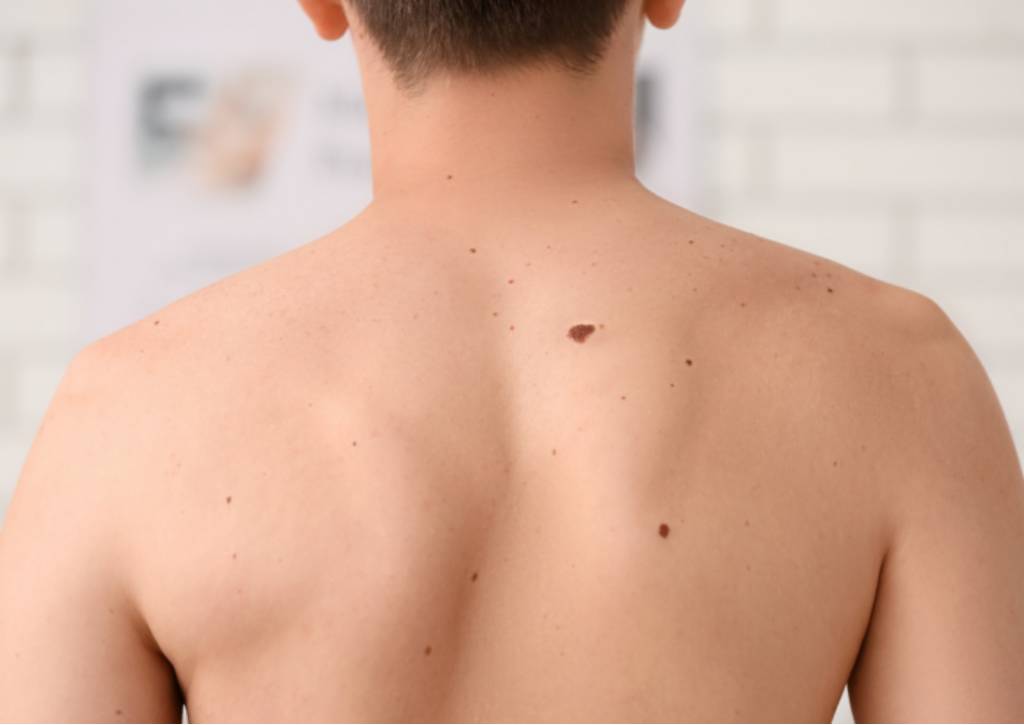
Understanding Skin Cancer: Types, Causes & Treatments
Skin cancer is one of the most common cancers in Australia, affecting people of all ages and skin types. Our high UV exposure and outdoor lifestyle make early detection and treatment especially important. Understanding how skin cancer develops, the different types that occur, and the available treatment options can help you take an active role in managing your skin health.
What is Skin Cancer?
Skin cancer occurs when abnormal skin cells grow in an uncontrolled way. This can happen when ultraviolet (UV) radiation damages the DNA within skin cells, leading to changes in how they behave. If these cells continue to multiply, they can form a cancerous lesion.
Because Australia has some of the world’s highest UV levels, skin cancer is extremely common. Early diagnosis through regular skin checks is one of the most effective ways to prevent more serious disease.
Types of Skin Cancer
There are several types of skin cancer, each with its own characteristics and treatment approach.
Basal Cell Carcinoma (BCC)
BCC is the most common and least aggressive form of skin cancer. It grows slowly and rarely spreads to other parts of the body. Lesions often appear as pearly lumps, scaly patches or sores that fail to heal. Surgery is a common and effective treatment.
Squamous Cell Carcinoma (SCC)
SCC is the second most common type and can behave more aggressively. It may appear as a scaly, thickened patch that can crust or bleed. While early SCCs are generally treated with surgery, some can spread to lymph nodes or distant organs and require prompt management.
Melanoma
Melanoma begins in melanocytes, the pigment-producing cells in the skin. It is less common but more serious because it can spread quickly if not treated early. Melanoma often arises from a changing mole or a new lesion on the skin.
Rare Skin Cancers
Although uncommon, some cancers require specialised care:
- Merkel cell carcinoma: A fast-growing neuroendocrine skin cancer.
- Kaposi’s sarcoma: Usually affects those with compromised immune systems.
Plastic surgeons often become involved in treating these cancers when excision and reconstruction are required.
Causes of Skin Cancer
Skin cancer is influenced by a combination of environmental, genetic and lifestyle factors.
Common contributing factors include;
- UV exposure: The primary cause of most skin cancers.
- Fair skin: Less melanin increases vulnerability to UV damage.
- Family history or genetics: Some people inherit a higher risk.
- Immunosuppression: Conditions or medications that weaken the immune system.
- Tanning beds: Exposure to artificial UV radiation significantly increases risk.
- Outdoor work or recreational activities: Increased lifetime sun exposure.
How is Skin Cancer Diagnosed?
Most skin cancers are identified through clinical examination and confirmed with a biopsy.
Step-by-step diagnostic process
- Skin Examination: A GP, dermatologist or skin cancer doctor inspects the lesion.
- Dermoscopy: A magnified tool helps assess patterns beneath the skin surface.
- Biopsy:
- Punch biopsy
- Shave biopsy
- Excisional biopsy
The sample is sent to a pathologist to confirm the diagnosis.
- Referral for Treatment: If skin cancer is confirmed, patients requiring surgical management are referred to a Specialist Plastic Surgeon.
When to see a doctor
If you notice any new, changing or non-healing lesions—especially those that bleed, itch, or look different from surrounding spots—you should seek medical assessment promptly.
Skin Cancer Clinics and Specialists
Skin cancer clinics play an important role in early diagnosis. Once a cancer is identified, management may involve a multidisciplinary team that includes GPs, dermatologists, oncologists and Specialist Plastic Surgeons. Plastic surgeons are often involved in cases where surgical excision and reconstruction are required, particularly for sensitive or cosmetically important areas.
Treatment Options for Skin Cancer
Surgical Treatments
- Standard excision: Removal of the cancer with an appropriate margin of normal skin.
- Mohs surgery: Layer-by-layer removal used in select cases, often for high-risk facial lesions (typically performed by dermatologists).
Plastic surgeons manage many skin cancers requiring precise excision and reconstruction.
Topical Treatments
Used for some superficial BCCs and SCC in situ.
(These are not performed by plastic surgeons but may be prescribed by GPs or dermatologists.)
Radiotherapy
May be used when surgery is not suitable or as an additional treatment in certain cases.
Immunotherapy
Primarily used for advanced melanoma. These medications help the immune system recognise and attack cancer cells.
Chemotherapy
Less commonly used today, but it may be recommended in specific advanced cases.
Role of Plastic Surgery in Skin Cancer Treatment
Plastic surgeons play an important part in skin cancer management when surgical excision is required. Their role includes:
- Removing skin cancers with appropriate margins
- Reconstructing the affected area after removal
- Preserving both function and appearance
- Managing complex or recurrent lesions
This approach supports effective cancer clearance while aiming for natural and functional outcomes.
Screening and Early Detection
Regular skin checks are essential. Early detection significantly improves outcomes, especially for melanoma.
What to look for
Use the ABCDE rule and monitor for:
- A – Asymmetry
- B – Border irregularity
- C – Colour variation
- D – Diameter greater than 6 mm
- E – Evolving size, shape or colour
Other signs include non-healing sores or lesions that itch, bleed or change.
How often to check
- Self-examination: Every 3 months
- Professional skin check:
- Every 1–2 years for most adults
- Yearly, if you have had skin cancer previously
Preventing Skin Cancer
Most skin cancers are preventable. Practical steps include;
- Apply SPF 30+ or higher and reapply every 3–4 hours
- Wear protective clothing, long sleeves and broad-brimmed hats
- Seek shade during peak UV times
- Avoid tanning beds
- Use sunglasses that block UV
- Check the UV index daily
- Teach children safe sun habits early
Prognosis and Living with Skin Cancer
Prognosis varies depending on the type of cancer and when it is detected. Early diagnosis often allows for straightforward treatment and an excellent outcome.
After treatment, patients may need:
- Regular follow-up checks
- Ongoing sun protection
- Monitoring for new or changing lesions
- Emotional support if the diagnosis impacts well-being
Plastic Surgery Central offers guidance throughout treatment and recovery, ensuring patients feel supported at each stage.
Frequently Asked Questions
Which is more serious, basal cell or squamous cell carcinoma?
SCC can behave more aggressively and may spread if not treated promptly. BCC tends to grow slowly and rarely spreads.
What are the 4 types of skin cancer?
What is the most serious type of skin cancer?
Melanoma. It can spread rapidly and requires early diagnosis for the best outcomes.
What does stage 1 squamous cell carcinoma look like?
Our Surgeons



Recent Post
Thigh Lift Surgery After Weight Loss: What You Need to Know
Saline vs Silicone Breast Implants: Understanding the Differences
Dupuytren’s Contracture: Symptoms, Progression and Treatment Options
Breast Reduction vs Breast Lift: What’s the Real Difference?

Understanding Breast Lift Techniques: What Are the Different Options?
Categories
- Blog (31)
- Body Contouring (2)
- Breast Surgery (8)
- Facial Surgery (7)
- Hand Surgery (4)
- Plastic & Cosmetic Surgery (General) (6)
- Skin & Cancer Surgery (3)